
Quick Facts
| Flower Type | Hydrangea |
|---|---|
| Flower Colour | White |
| Planting Time | While spring to autumn is the ideal planting season, the versatility of hydrangeas allows for year-round planting when grown in pots. For more details, please refer to the care guide included with your order. |
| Watering | Refer to Top Tips Field for more Information |
| Life Cycle | Perennial deciduous shrub – dies back in winter and resprouts in spring |
Annabelle: Hydrangea: 14cm Plant
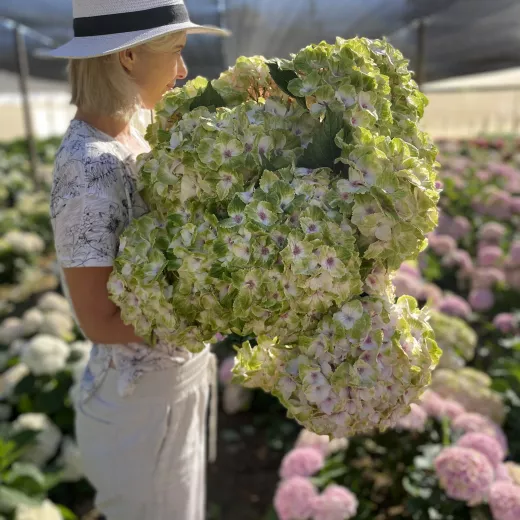
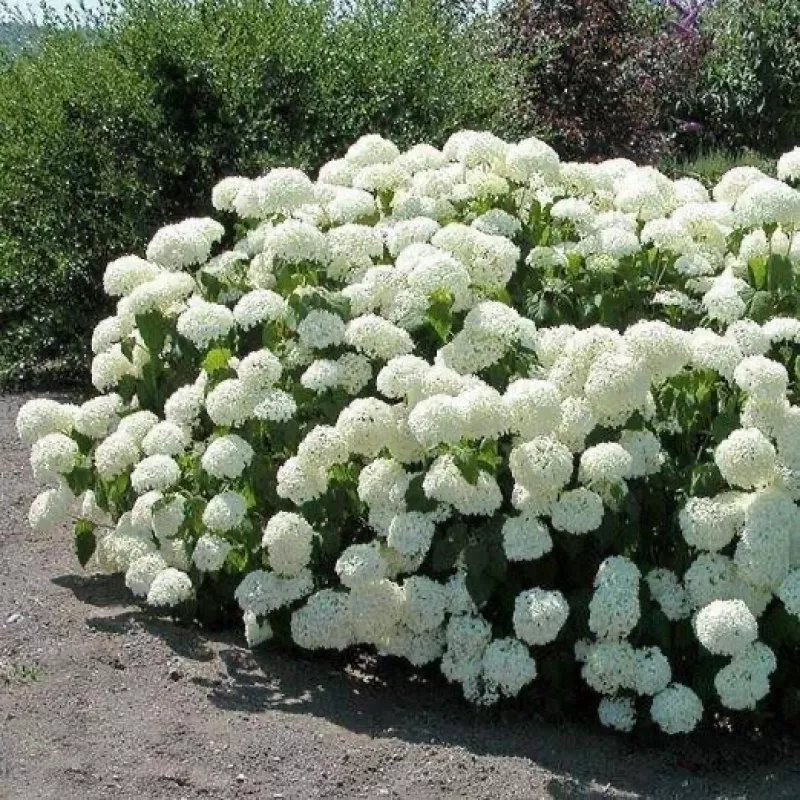
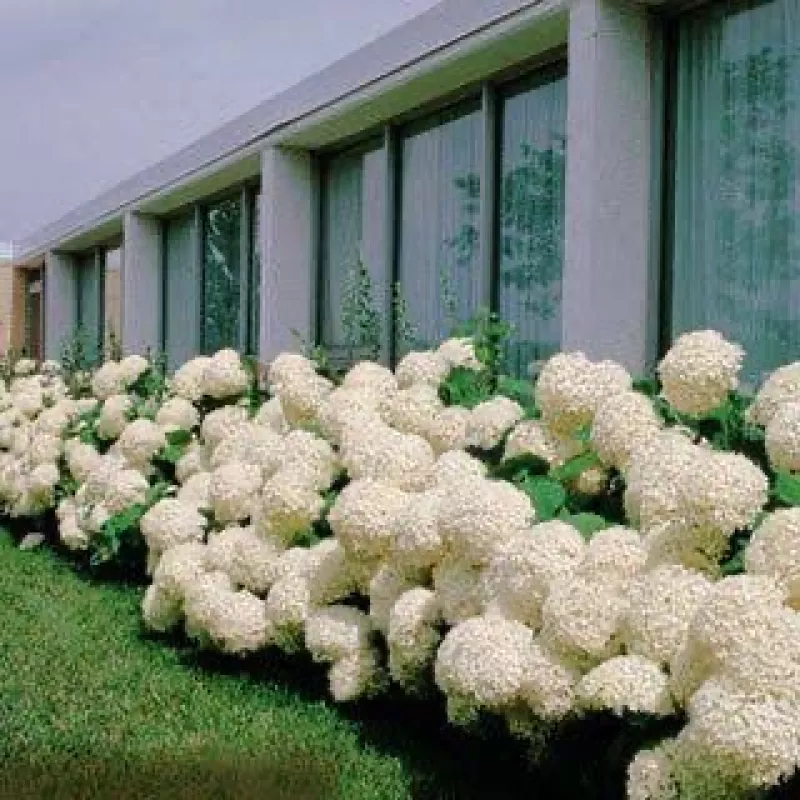
The Annabelle Hydrangea is a beloved deciduous shrub celebrated for its show-stopping, snowball-like blooms. Flowering from mid to late summer, its enormous, rounded flower heads—measuring up to 30 cm across—begin as soft green-lime, transition to bright white at their peak, and gently fade back to pale green as the season progresses. This hydrangea adds elegance and drama to borders, hedges, or mass plantings with its long-lasting, luminous display.
Coordination of Logistics for PayFast Orders:
For your convenience, we invite you to stay in direct contact with Marisa through WhatsApp. This will allow you to receive real-time updates on the status of your order and address any specific concerns you may have. You can reach her on the following number: 074 228 2444.
Thank you for choosing Adene Flowers. We look forward to fulfilling your order with the utmost care and attention.
| Flower Type |
Hydrangea
|
|---|---|
| Flower Colour |
White
|
| Flower Size |
15cm - 30cm
|
| Plant Height |
1.2 to 1.5 meters tall, with a similar spread
|
| Light Preferences |
Morning sun and afternoon shade is ideal, especially in hotter areas. Full shade tolerated, but fewer flowers
|
| Plant Spacing |
1 meter
|
| Life Cycle |
Perennial deciduous shrub – dies back in winter and resprouts in spring
|
| Flowering Time |
November - February
|
| Pinch |
Pruning: Trim the whole plant to a height of 20–25 cm. Also, cut off any branches thinner than a pencil.
|
| Planting Time |
While spring to autumn is the ideal planting season, the versatility of hydrangeas allows for year-round planting when grown in pots. For more details, please refer to the care guide included with your order.
|
| Watering |
Refer to Top Tips Field for more Information
|
| Fertilizing |
Refer to Top Tips Field for more Information
|
| Top Tips |
Water Hydrangeas regularly, especially in warm weather—whether they’re in pots or in the ground. It's better to water deeply a few times a week than a little every day. Drip irrigation works best to keep the leaves dry. If using a hose or watering can, water in the morning or early afternoon so the plant can dry before night. Wet leaves overnight can lead to disease.
Use organic fertilizer like Tru Grower-feed (www.adeneflowers.co.za) or Starke Ayres Hydrangea Food 500g (available on Takealot). The best time to start fertilizing is in September. Feed 3–4 times during the flowering season to help your hydrangea grow strong and bloom evenly. Hydrangeas can be affected by aphids, mildew, and Pythium. To prevent aphids, apply Kohinor (imidacloprid) at 1 ml per 1 litre of water around the base of the plant in September. Or, spray them off with a strong jet of water. For Pythium, use Previcur (propamocarb) at 2.5 ml per 1 litre of water around the plant base during flowering. Plants with Pythium wilt quickly in warm weather. To prevent mildew, spray with copper soap. Or make a homemade spray by mixing 1 tablespoon of baking soda, 1 tablespoon of vegetable oil, and 1 teaspoon of liquid dish soap (not detergent) in 4 litres of water. Spray all over the plant. In warm weather, check for spider mites. Use Smite at 5 ml per 10 litres of water. Beetles chew round holes in leaf edges—Kohinor also helps control them. Neem oil is a natural option for preventing insect problems. |