Quick Facts
| Flower Type | Colourful Cocktail Hydrangea |
|---|---|
| Flower Colour | A mix of vibrant shades, typically pinks, purples, blues, or a blend depending on soil pH. |
| Planting Time | Best planted in early spring or autumn when temperatures are mild and soil remains evenly moist. |
| Watering | Hydrangeas love moisture. |
| Life Cycle | Deciduous shrub—it loses leaves in winter and regrows in spring. |
Colourful Cocktail Paniculata Hydrangea: 14cm Plant
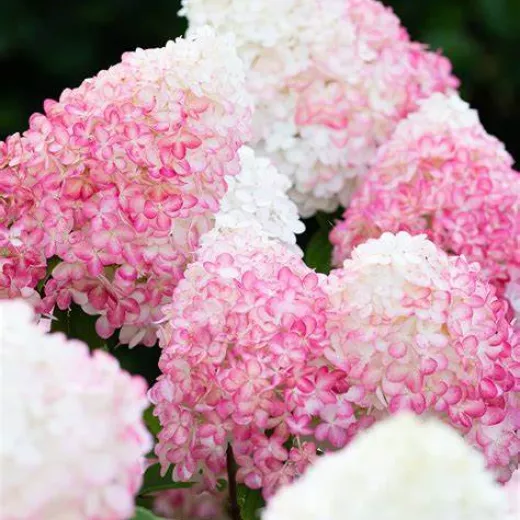
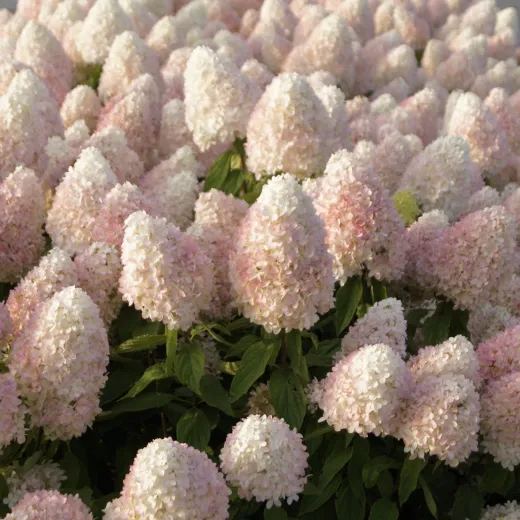
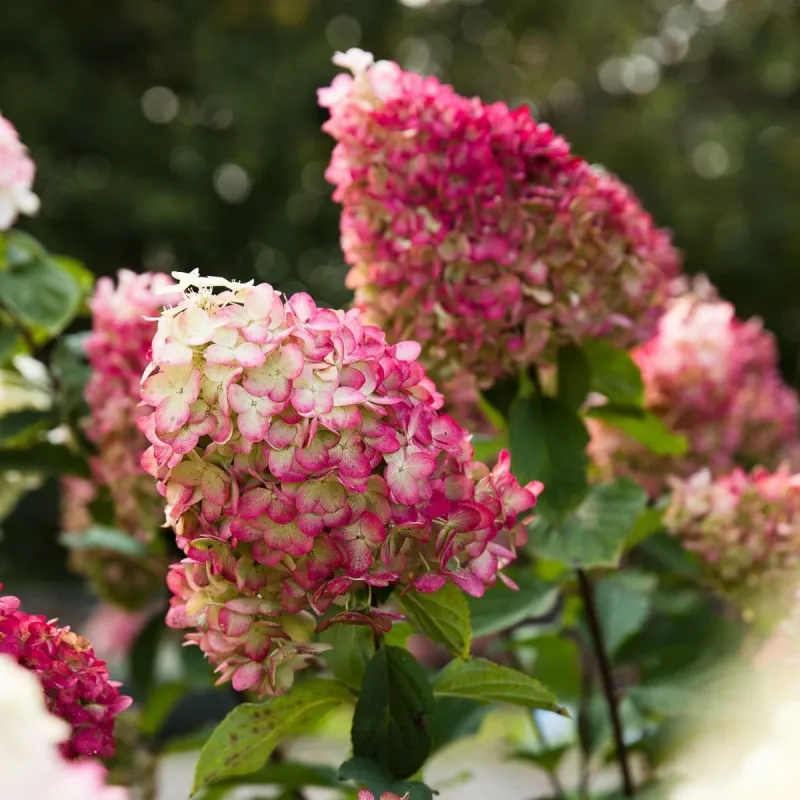
The Colourful Cocktail Hydrangea is a striking, modern hydrangea variety known for its bold, vibrant blooms that look as if they’ve been mixed from a painter’s palette. Each flower head forms a full, rounded cluster in shades of pink, purple, blue, or even blended, multi-toned hues, depending on soil pH. This makes it one of the most eye-catching hydrangeas for gardeners who love colour variation and seasonal interest.
Its lush green foliage and compact, rounded habit make it ideal for borders, feature plantings, containers, or shaded garden beds. It flowers reliably from late spring right through summer, often producing repeat flushes in favourable conditions.
The Colourful Cocktail Hydrangea is easy to grow, rewarding you with generous blooms as long as it receives consistent moisture and partial shade. Whether planted as a single specimen or grouped for a dramatic display, it brings a refreshing “cocktail” of colour to any garden—perfect for those who enjoy expressive, vibrant hydrangeas that stand out in the landscape.
Important Notice: This Hydrangea variety is protected under Plant Breeders’ Rights. Propagation is strictly prohibited.
Coordination of Logistics for PayFast Orders:
For your convenience, we invite you to stay in direct contact with Marisa through WhatsApp. This will allow you to receive real-time updates on the status of your order and address any specific concerns you may have. You can reach her on the following number: 074 228 2444.
Thank you for choosing Adene Flowers. We look forward to fulfilling your order with the utmost care and attention.
| Flower Type |
Colourful Cocktail Hydrangea
|
|---|---|
| Flower Colour |
A mix of vibrant shades, typically pinks, purples, blues, or a blend depending on soil pH.
|
| Flower Size |
12–20 cm across (varies slightly by colour type and soil conditions).
|
| Plant Height |
1–1.5 meters tall and 1–1.2 meters wide when mature.
|
| Light Preferences |
Partial shade is ideal. Can tolerate morning sun but prefers protection from harsh afternoon heat. Colour intensity is often stronger with dappled light.
|
| Plant Spacing |
1–1.5 meters apart to allow for natural shape and airflow.
|
| Life Cycle |
Deciduous shrub—it loses leaves in winter and regrows in spring.
|
| Flowering Time |
Late spring through summer (typically October to February in South Africa). Repeats lightly into early autumn in mild climates.
|
| Pinch |
Minimal pruning needed.
|
| Planting Time |
Best planted in early spring or autumn when temperatures are mild and soil remains evenly moist.
|
| Watering |
Hydrangeas love moisture.
|
| Fertilizing |
Feed in early spring with a balanced, slow-release fertilizer.
|
| Top Tips |
Pruning
Minimal pruning needed. • Prune directly after flowering (mid–late summer). • Remove spent blooms and dead or weak stems. • Avoid pruning in late winter or early spring, as this can remove next season’s flower buds. Watering Hydrangeas love moisture. • Water deeply 2–3 times per week during hot months. • Soil must be well-draining to avoid root rot. • Mulching helps retain moisture and keeps the roots cool. Fertilizing Feed in early spring with a balanced, slow-release fertilizer. • For blue tones: use an acidifying fertilizer or add aluminium sulfate. • For pink tones: use a more alkaline fertilizer (garden lime). Avoid high-nitrogen feeds as they encourage foliage instead of blooms. Top Tips • Soil: Prefers rich, well-drained soil with plenty of organic matter. • Mulching: Apply mulch throughout the growing season to regulate soil temperature and moisture. • Colour Control: Soil pH influences colour – acidic soils (pH 5–6) give blues/purples; alkaline soils (pH 6.5+) give pinks/reds. • Protection: Provide afternoon shade in very hot areas to prevent leaf scorch and fading blooms. • Patience: Flowers often deepen in colour as the plant matures; young plants may show lighter hues initially. |