Quick Facts
| Flower Type | Hydrangea paniculata ‘Pink & Rose’ |
|---|---|
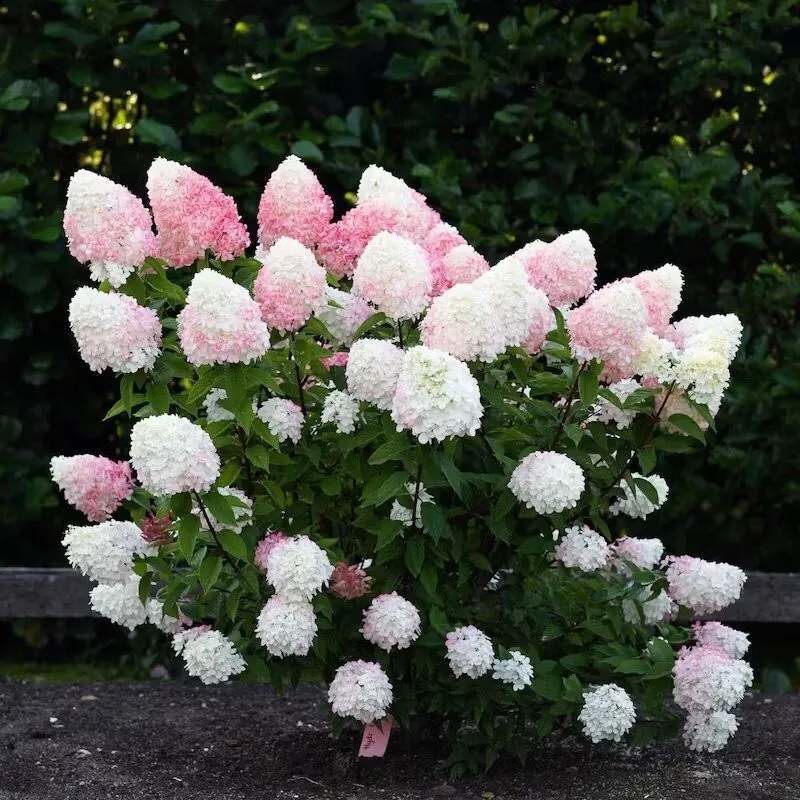
| Flower Colour | Soft white blooms that age to light pink and deepen to rosy pink as the season progresses. Colour intensifies toward late summer. |
| Planting Time | Best planted in early spring or autumn when the soil is workable and temperatures are mild. |
| Watering | Requires regular, deep watering—especially during the first year or during hot months. |
| Life Cycle | Deciduous shrub that loses its leaves in winter and regrows in spring. |
Pink & Rose: Paniculata Hydrangea: 12cm Plant: Preorder – Shipping: End January to End February
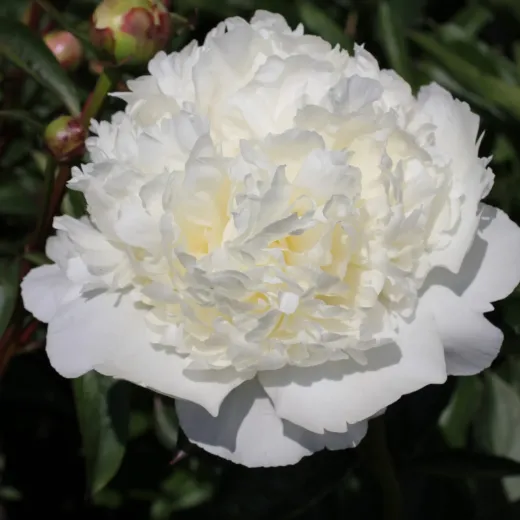
Hydrangea paniculata ‘Pink & Rose’ is a romantic, colour-shifting hydrangea celebrated for its tall, elegant, cone-shaped blooms. The flowers open a soft creamy white in early summer, then gradually blush to pale pink before deepening into warm rose tones as the season progresses. This natural colour transition gives the plant a layered, painterly look that changes beautifully with the months.
Unlike mophead hydrangeas, the paniculata varieties are sun-tolerant, hardy, and reliable, making ‘Pink & Rose’ an excellent choice for gardeners who want high-impact colour with low effort. Its strong, upright stems hold the large blooms proudly, making it a favourite for cut arrangements and dried flowers.
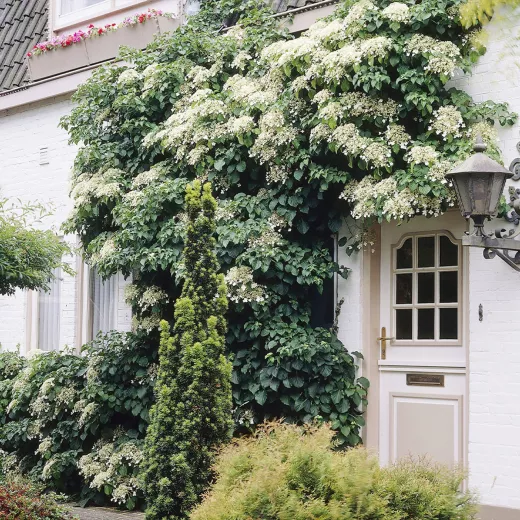
With its graceful shape, long flowering season, and exceptional resilience, Hydrangea paniculata ‘Pink & Rose’ brings sophistication and soft colour to borders, mixed shrub plantings, and sunny garden areas. A truly rewarding shrub that delivers a stunning display from mid-summer well into autumn.
Important Notice: This Hydrangea variety is protected under Plant Breeders’ Rights. Propagation is strictly prohibited.
Coordination of Logistics for PayFast Orders:
For your convenience, we invite you to stay in direct contact with Marisa through WhatsApp. This will allow you to receive real-time updates on the status of your order and address any specific concerns you may have. You can reach her on the following number: 074 228 2444.
Thank you for choosing Adene Flowers. We look forward to fulfilling your order with the utmost care and attention.
| Flower Type |
Hydrangea paniculata ‘Pink & Rose’
|
|---|---|
| Flower Colour |
Soft white blooms that age to light pink and deepen to rosy pink as the season progresses. Colour intensifies toward late summer.
|
| Flower Size |
15–25 cm long panicles (cone-shaped flower heads).
|
| Plant Height |
1.5–2 meters tall and 1.2–1.8 meters wide at maturity.
|
| Light Preferences |
Prefers full sun to partial shade. Flower colour develops strongest in full sun but plants appreciate some afternoon shade in hot climates.
|
| Plant Spacing |
1.2–1.5 meters apart for good airflow and natural shaping.
|
| Life Cycle |
Deciduous shrub that loses its leaves in winter and regrows in spring.
|
| Flowering Time |
Mid-summer to early autumn (typically December to April in South Africa). Blooms start creamy white and gradually turn shades of pink and rose.
|
| Pinch |
Prune in late winter before new growth begins.
|
| Planting Time |
Best planted in early spring or autumn when the soil is workable and temperatures are mild.
|
| Watering |
Requires regular, deep watering—especially during the first year or during hot months.
|
| Fertilizing |
Feed in early spring with a balanced, slow-release fertilizer.
|
| Top Tips |
Pruning
Prune in late winter before new growth begins. Hydrangea paniculata blooms on new wood, so pruning encourages larger, stronger flower heads. Remove old flower heads and thin out weak or crossing branches. Watering Requires regular, deep watering—especially during the first year or during hot months. Tolerates slightly drier conditions better than mophead hydrangeas, but soil should remain moist, not soggy. Mulching helps retain moisture. Fertilizing Feed in early spring with a balanced, slow-release fertilizer. A mid-summer light feed may improve flower colour and size. Avoid excessive nitrogen, as it encourages leafy growth over blooms. Top Tips • Soil: Prefers fertile, well-drained soil. Not as sensitive to pH as mophead hydrangeas, so colour is more predictable. • Sunlight: More sun-tolerant than other hydrangeas, making it suitable for warmer, brighter areas. • Structure: Strong stems help support large flower heads, making it great for cut flowers and landscaping. • Winter Interest: Dried flower heads can be left on through winter for decorative effect. • Low Maintenance: One of the easiest hydrangeas to grow, very hardy and resilient. |